
Completing a hotel management course is an important step toward building a career in the hospitality industry. However, earning a qualification is only one part of becoming successful in this field. Hotels, resorts, restaurants, airlines, cruise companies, event businesses, and other hospitality organizations look for graduates who can apply their knowledge confidently in real workplace situations.
So, what makes a hotel management graduate truly job-ready?
The answer goes beyond academic knowledge. A job-ready hospitality graduate combines professional skills, practical experience, communication abilities, discipline, and a strong understanding of guest service.
1. Strong Practical Knowledge
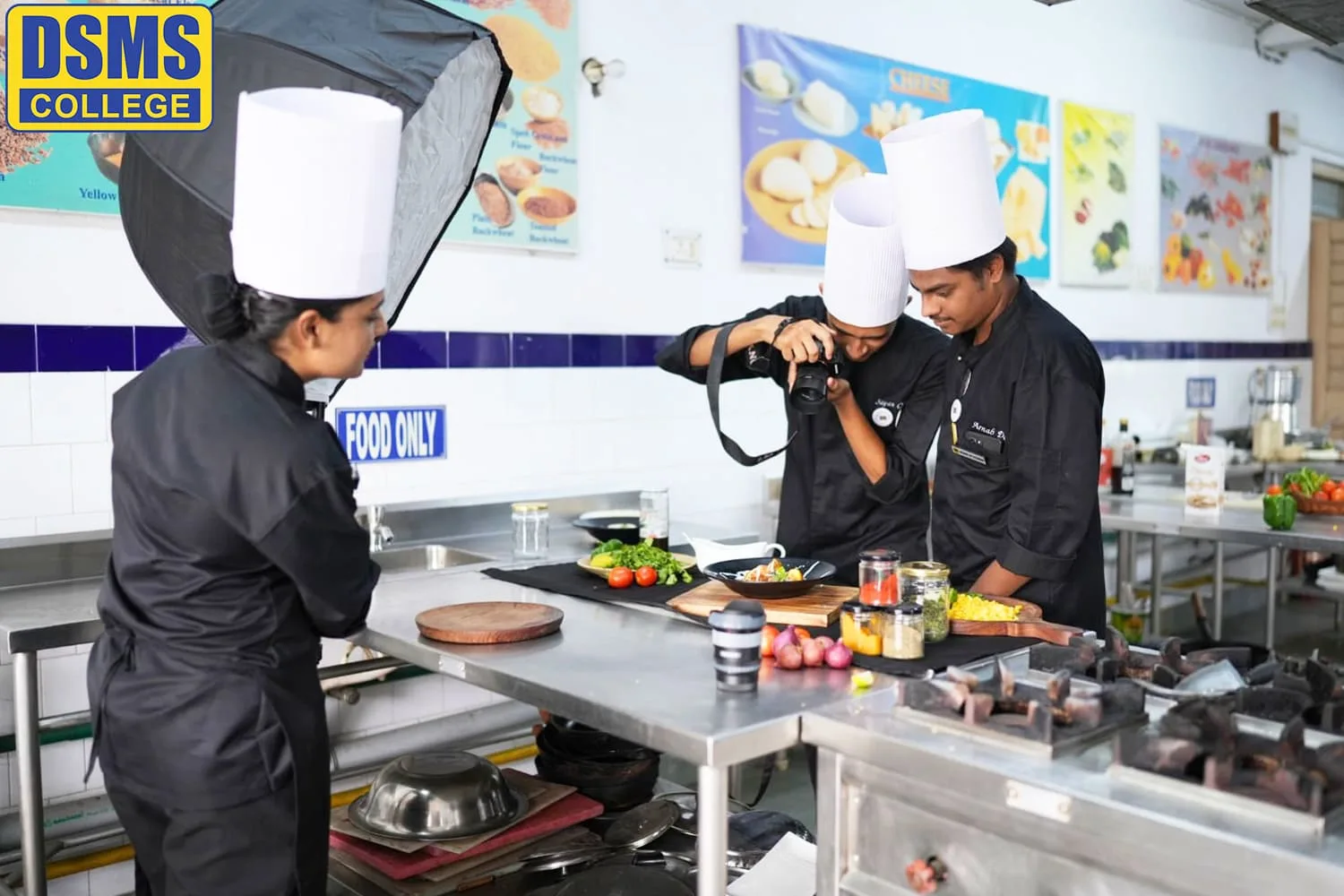
Hospitality is a hands-on industry. Students need opportunities to understand how different hotel operations work rather than relying only on classroom theory.
A well-rounded hotel management education introduces students to areas such as:
- Food Production
- Food and Beverage Service
- Front Office Operations
- Housekeeping
- Hospitality Management
- Guest Relations
- Hotel Administration
Practical training helps students become familiar with the procedures, standards, and responsibilities associated with different departments.
2. Good Communication Skills
Hospitality professionals interact with guests, colleagues, managers, suppliers, and other stakeholders every day. Clear and confident communication is therefore an important workplace skill.
Students should develop the ability to:
- Communicate politely with guests
- Understand guest requirements
- Handle questions professionally
- Communicate effectively with team members
- Present themselves confidently
- Use professional English where required
Strong communication can make a significant difference when dealing with guests and working as part of a hospitality team.
3. Professional Grooming and Etiquette
First impressions matter greatly in hospitality. Employees are often the first point of contact between an organisation and its guests.
Students therefore need to understand professional grooming, personal hygiene, appropriate workplace behaviour, and hospitality etiquette.
These habits help graduates adapt more comfortably to professional environments.
4. Customer Service Skills
Hospitality is fundamentally a people-oriented industry. Guests expect efficient service as well as a positive experience.
A job-ready graduate should understand how to:
- Listen to guests
- Identify their requirements
- Respond courteously
- Handle routine complaints
- Remain calm under pressure
- Create a welcoming experience
Good customer service is built through practice, observation, and understanding the expectations of different types of guests.
5. Teamwork and Coordination
Hotel operations involve multiple departments working together. The front office may coordinate with housekeeping, food and beverage teams may work with the kitchen, and management may coordinate with several operational departments.
Because of this, hospitality graduates need strong teamwork skills.
Students who learn to cooperate, communicate, take responsibility, and support their colleagues are better prepared for the collaborative nature of the industry.
6. Ability to Work Under Pressure
Hospitality can be fast-paced, particularly during busy periods, special events, weekends, and peak travel seasons.
Professionals may need to manage multiple responsibilities while maintaining service standards. Students can develop workplace readiness by participating in practical sessions, events, projects, and other activities that require time management and responsibility.
Learning to remain organised and professional under pressure is an important part of hospitality education.
7. Industry Exposure and Practical Training
One of the most valuable ways for students to understand the hospitality industry is through practical exposure.
Internships, industrial training, workshops, industry interactions, and practical assignments can help students understand how hospitality operations function outside the classroom.
Such experiences can help students become familiar with workplace expectations and build confidence before entering their first professional role.
8. Basic Technology Skills
Technology has become an integral part of modern hospitality operations. Hotels and other hospitality businesses use digital systems for reservations, guest management, billing, communication, inventory, and other operational activities.
Hotel management students should therefore be comfortable learning and using relevant digital tools and systems.
Technology awareness can complement their operational and customer service skills.
9. Problem-Solving Ability
Unexpected situations are common in hospitality. A guest may have a special request, a reservation may require clarification, or an operational issue may need immediate attention.
A job-ready graduate should be able to understand a situation, remain composed, communicate appropriately, and look for practical solutions.
Developing problem-solving skills during college can prepare students to handle workplace situations more confidently.
10. Understanding Different Hospitality Departments
Students should not limit their understanding of hospitality to a single area. Learning about different departments gives them a broader perspective of how a hospitality organisation operates.
For example, a student may discover a particular interest in:
- Front Office
- Food Production
- Food and Beverage Service
- Housekeeping
- Guest Relations
- Hospitality Administration
Exposure to different areas can help students make more informed career decisions after completing their course.
11. A Positive Professional Attitude
Skills and qualifications are important, but attitude also matters in hospitality.
Employers value professionals who demonstrate qualities such as:
- Punctuality
- Discipline
- Courtesy
- Responsibility
- Adaptability
- Willingness to learn
- Respect for colleagues and guests
Hospitality is a service-oriented profession, and maintaining a professional attitude is essential for building a successful career.
12. Career Awareness and Continuous Learning
The hospitality industry continues to evolve with changing guest expectations, technology, travel trends, and business practices. Graduates should therefore be prepared to keep learning even after completing their course.
Students can strengthen their career readiness by improving their communication, learning new technologies, gaining practical experience, and staying informed about developments within the hospitality industry.
How Can Students Become More Job-Ready During College?
Students do not have to wait until graduation to develop professional skills. They can start preparing from the beginning of their course by:
- Participating actively in practical classes
- Taking internships and industrial training seriously
- Improving communication skills
- Taking part in hospitality events and activities
- Learning professional etiquette and grooming
- Developing teamwork and leadership abilities
- Seeking guidance from faculty members
- Building confidence through presentations and practical assignments
The goal should be to graduate with more than a certificate—a combination of knowledge, skills, experience, and professional confidence.
Why Practical Learning Matters in Hotel Management
Hotel management education becomes more meaningful when students can connect classroom concepts with practical situations. Learning through practical sessions, demonstrations, projects, training, and industry exposure allows students to understand the responsibilities associated with hospitality operations.
This combination of academic learning and practical development can help students transition more confidently from college to the workplace.
Preparing for a Career in Hospitality with DSMS India
At DSMS India, hotel management education focuses on developing the knowledge and professional skills students need to begin their journey in the hospitality industry. Along with academic learning, students can develop practical understanding, communication skills, professional etiquette, teamwork, and other competencies that are important in hospitality careers.
For students planning to pursue hotel management after Class 12, choosing an institution that provides a balance of academic knowledge and practical learning can be an important first step toward becoming career-ready.
Final Thoughts
A job-ready hotel management graduate is not defined by a qualification alone. It is the combination of practical knowledge, communication, customer service, teamwork, professional behaviour, problem-solving ability, and industry exposure that helps students prepare for the workplace.
For aspiring hospitality professionals, developing these skills during college can create a stronger foundation for entering the industry and progressing in their chosen career path.